
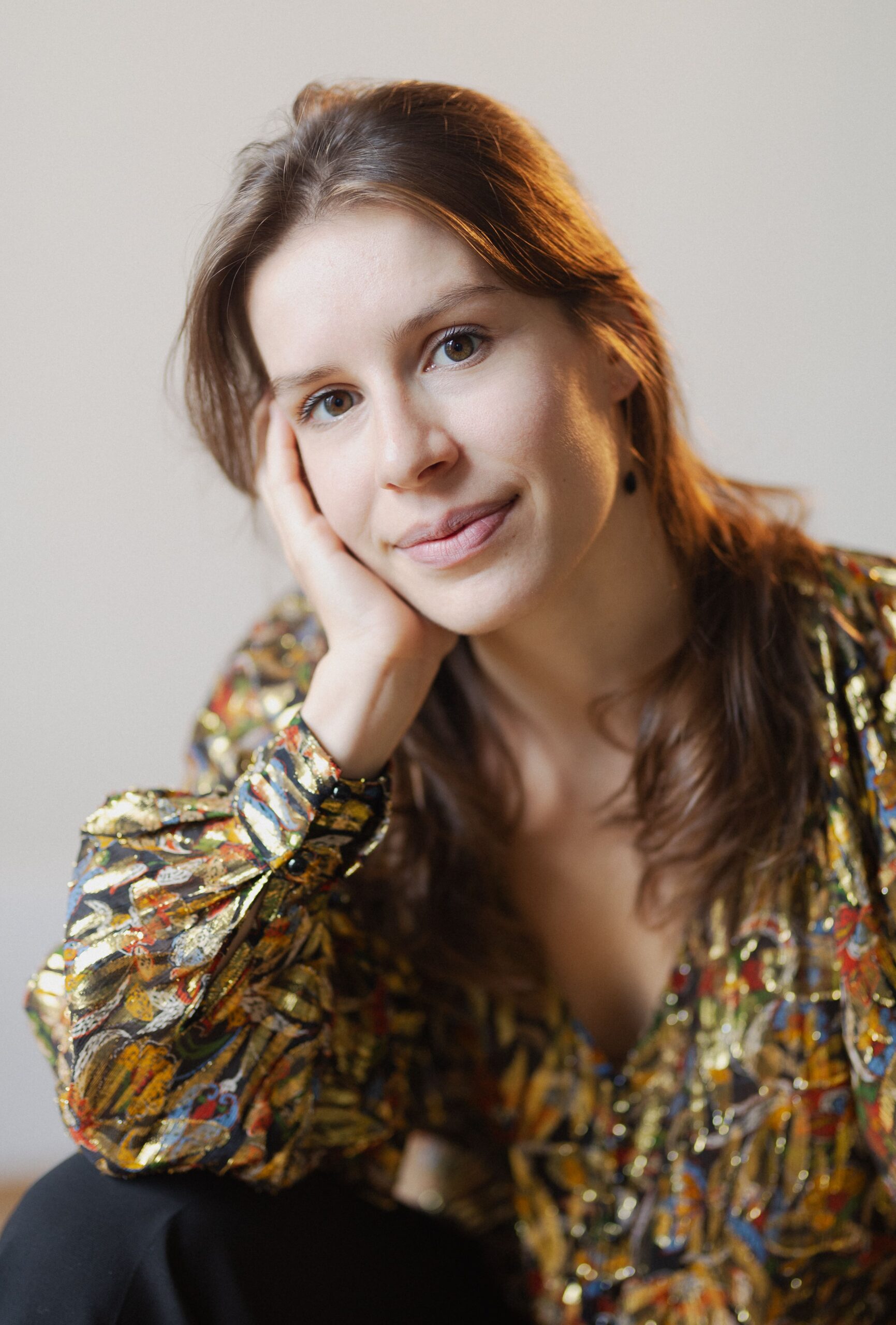
Anna Giorgi
The Conservatoire is a place where one can truly flourish, driven by a level of artistic excellence that goes hand in hand with genuine passion.
Around the same time, I was fortunate to meet a piano teacher who introduced me to collaborative piano at a very early stage. She opened my eyes to a discipline whose richness is often underestimated.
What fascinates me most about working with singers is the intrinsic relationship between music and text: analysing why a composer chose a particular poem and how they chose to set it to music, as well as the remarkable flexibility and expressive possibilities that the human voice brings to the music. It is a very natural and organic relationship, constantly shaped by breath and speech.
It is also an endless source of inspiration for us as pianists, as we are constantly striving to recreate, on a mechanical and percussive instrument, the suppleness and lyricism of the human voice.
As a soloist, one’s sense of freedom is different: every interpretative decision rests entirely on your own shoulders.
Being a Lied partner is true chamber music. There is much more discussion, with each member of the duo bringing their own inspirations, ideas and artistic choices.
It is an approach that greatly develops one’s musical imagination and proves extremely valuable in my work as both a pianist and chamber musician.
These different activities constantly enrich one another. Finding the right balance between them can sometimes be challenging, but it is precisely what makes this profession so fascinating.
For a duo to endure, I believe it is essential to share the same human values. That is what allows you to continue enjoying the process of working together, sometimes for hours at a time. The way you work is just as important: sharing a love of poetry and text, attention to detail, curiosity for the repertoire, and a common artistic standard.
At the same time, it is crucial that each person retains their own personality and perspective on the score. It is through this dialogue, and sometimes these disagreements, that the most interesting interpretative choices emerge. The aim is not to think alike, but to build a shared artistic vision from our different sensibilities.
Rehearsal is one of my favourite parts of the process. It is where we explore, question ourselves and change our minds. Interpretation is not always born from an immediate intuition, but often from genuine artistic exchange.
Over time, trust grows and listening becomes increasingly instinctive. We begin to anticipate each other’s intentions, especially in performance, and we become more willing to take risks together. That is probably what I enjoy most: watching, over the years, a way of performing emerge that belongs uniquely to that particular partnership.
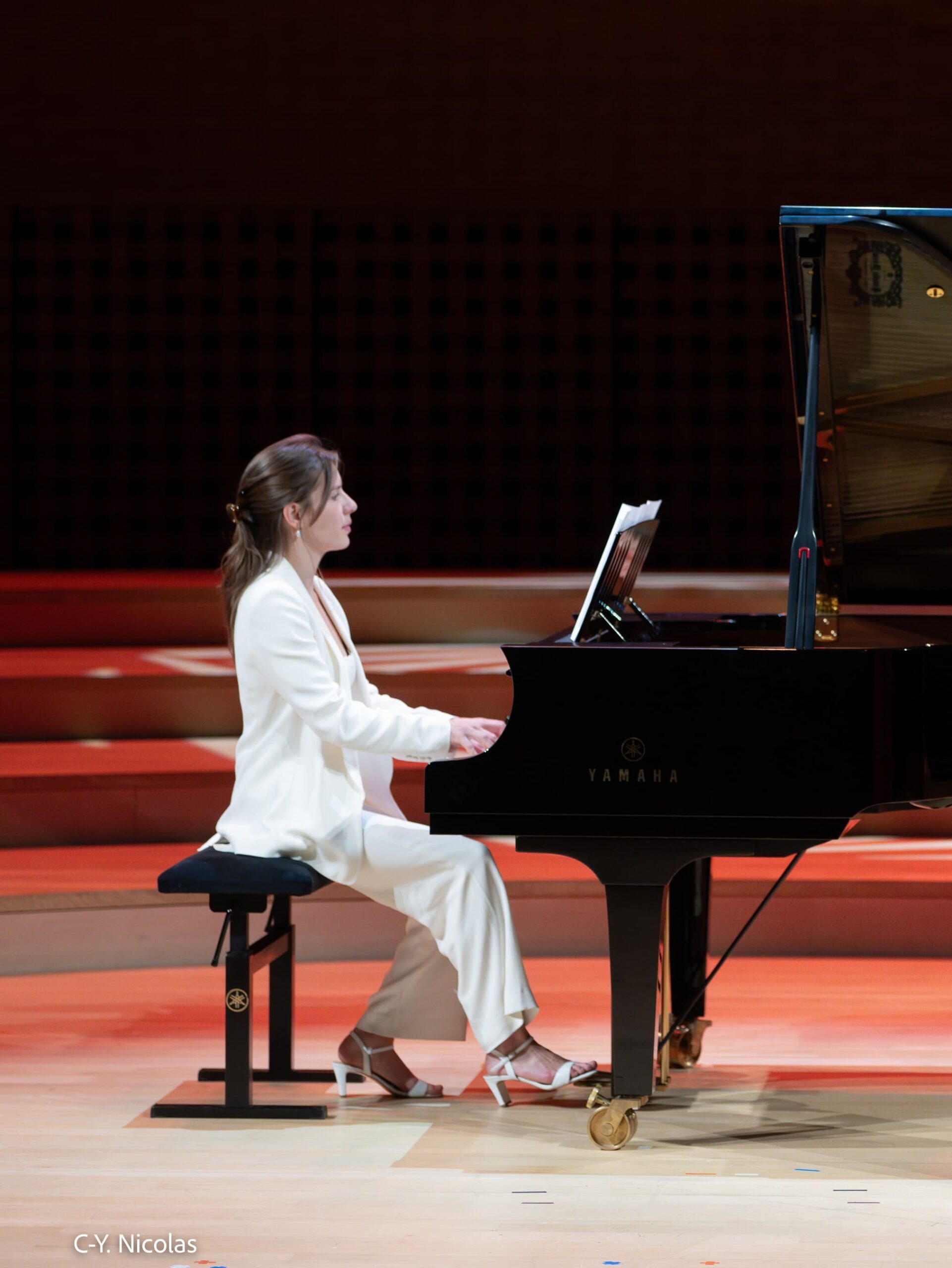
I was also deeply impressed by the concert programme itself, which had clearly been conceived with genuine artistic thought. Its accessibility, the coherence of the audience’s journey through the programme, and the care devoted to the staging all reflected a real desire to create a concert experience that felt alive and engaging.
I also appreciated the importance given to pianists, who were regarded as genuine artistic partners.
They accompany singers throughout every stage of building a role, supporting them not only musically but also stylistically, linguistically and dramatically.
Their outside perspective is invaluable, since what a singer feels on stage does not always correspond to what is actually perceived from the audience.
It is work that largely happens behind the scenes, invisible to the public yet deeply creative. Together, we search for a colour, an intention, a way of bringing every word to life, while always allowing the artist’s own personality to shine through.
It will also be a completely different way of working: living to the rhythm of an opera house, attending rehearsals and performances, and witnessing the entire creative process from the first rehearsal through to the final performance.
There will, of course, be a great deal of opera repertoire, but I am equally delighted to continue exploring Lied and French mélodie through the Academy’s recital programme.
The intimacy of a concert allows us to enter together into a different sense of time and a different world of imagination.
It is also a space in which we have the opportunity to convey meaningful ideas through our programming.
That is one of the things I enjoy most: creating programmes that tell a story, establishing resonances between works, and inviting audiences to listen in new ways.
Finding these reflections and correspondences between pieces is endlessly fascinating. A work never tells exactly the same story depending on where it appears within a programme. That ability to generate new resonances is also part of what makes music so rich.
There will also be recitals with other singers, including Tamara Bounazou and Parveen Savart, as well as, of course, the Academy’s concerts, both at the Palais Garnier and Opéra Bastille, and in venues beyond the Opera itself.