
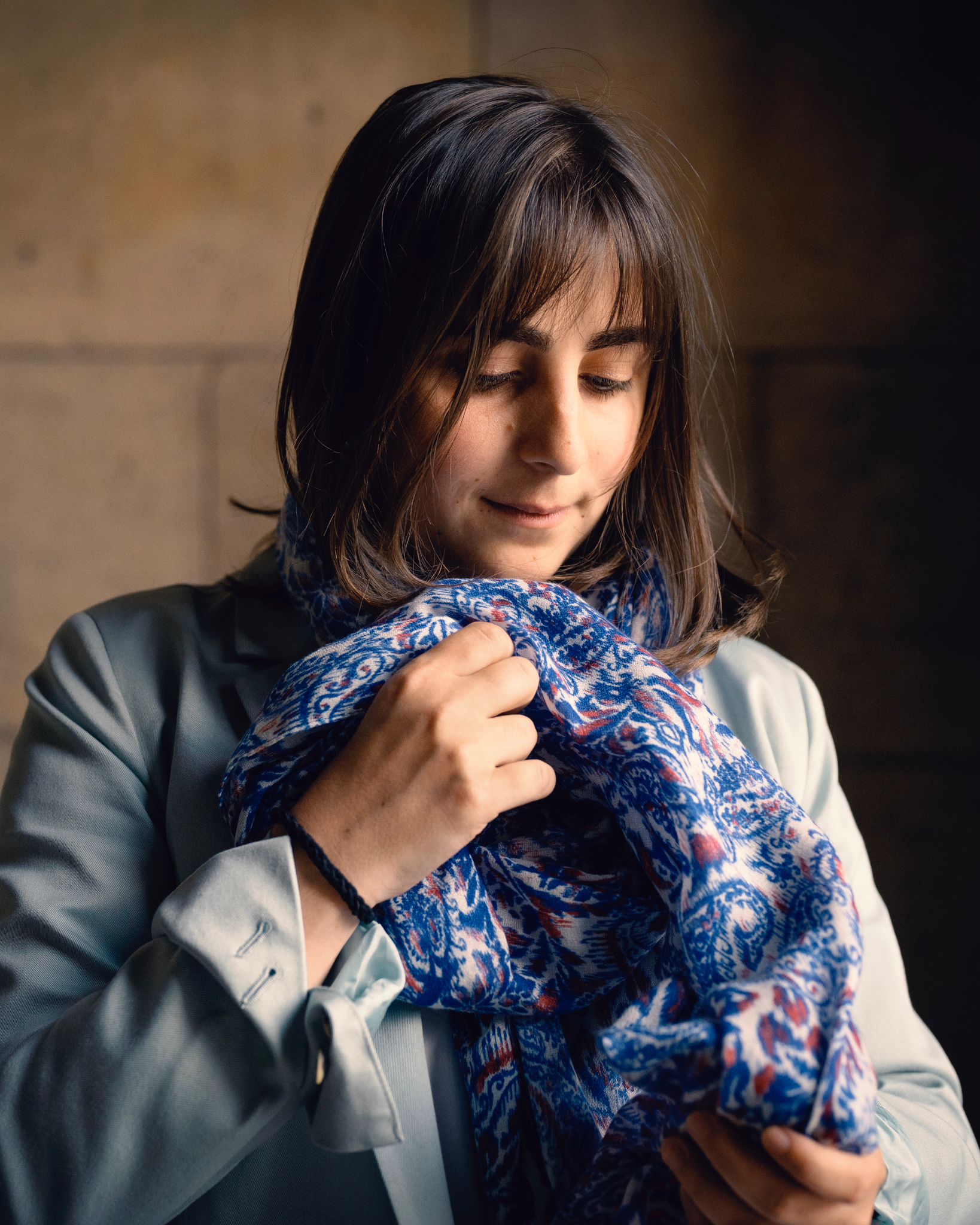
Laure Cholé
Pianist
It has developed in stages, almost naturally. From the very beginning, there has been this deep love for music. I was born into a family environment in which music was omnipresent: pianos at home, parents who are professional pianists and who passed on this passion with great attentiveness while allowing me the space to grow freely; grandparents who were also pianists, and in particular my paternal grandfather, whom I sadly never had the chance to know – a First Prize winner at the Paris Conservatoire in 1926, awarded by Maurice Ravel, who chaired the jury that year, and a close musical partner of Enesco. In a way, this musical heritage is now part of my own story.
From an early age, I listened to recordings and attended concerts, each experience giving rise to intense emotion ; an almost instinctive immersion into this world. Instrumental practice came later, first through the cello, before the piano very quickly took over and became central to my life. From that point on, my relationship with sound became central: developing a sonic imagination, striving to be ever more subtle and precise in what one wishes to hear, clarifying one’s artistic intent, and finding the means to bring it to life. It is a constant search for how to make the piano sing and to expand its expressive possibilities.
As András Schiff says, the piano is a limited instrument, and it is precisely within these limits that I find an immense field of exploration: trying to create the illusion of sustained sound, playing with resonance, time, space, and everything that happens between the notes. This constraint teaches us to think about sound differently, to sculpt it, to imagine it beyond the instant of attack. This path is inevitably marked by self-questioning and doubt, which I believe are fundamental for any artist.
I have also been confronted with the deeply rooted idea that suffering is necessary in order to be demanding and successful. Yet I profoundly believe that it is possible to pursue extreme artistic rigour without renouncing joy, quite the opposite. Wonder and pleasure, to me, are what truly sustain long-term artistic work and commitment.
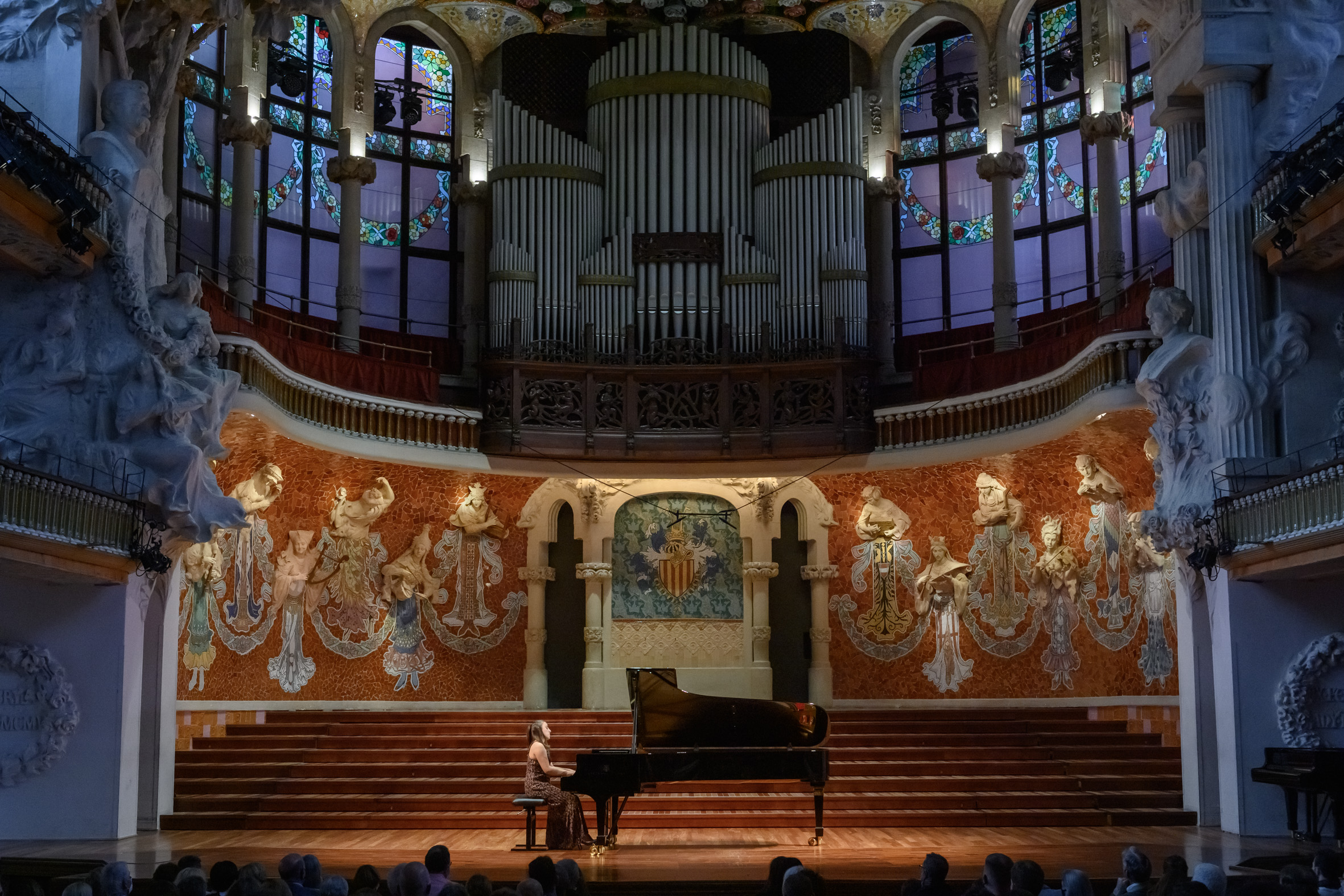
For me, chamber music is above all a space for dialogue, listening, and sharing. Collective work demands great availability and constant attentiveness to others, as well as an ongoing reassessment of one’s own musical discourse. I am particularly drawn to playing with partners with whom there is a genuine desire to build something together, to meet regularly, and above all a sincere joy in making music. These collaborations often grow into strong human relationships, sometimes even friendships, and this dimension profoundly nourishes the artistic work.
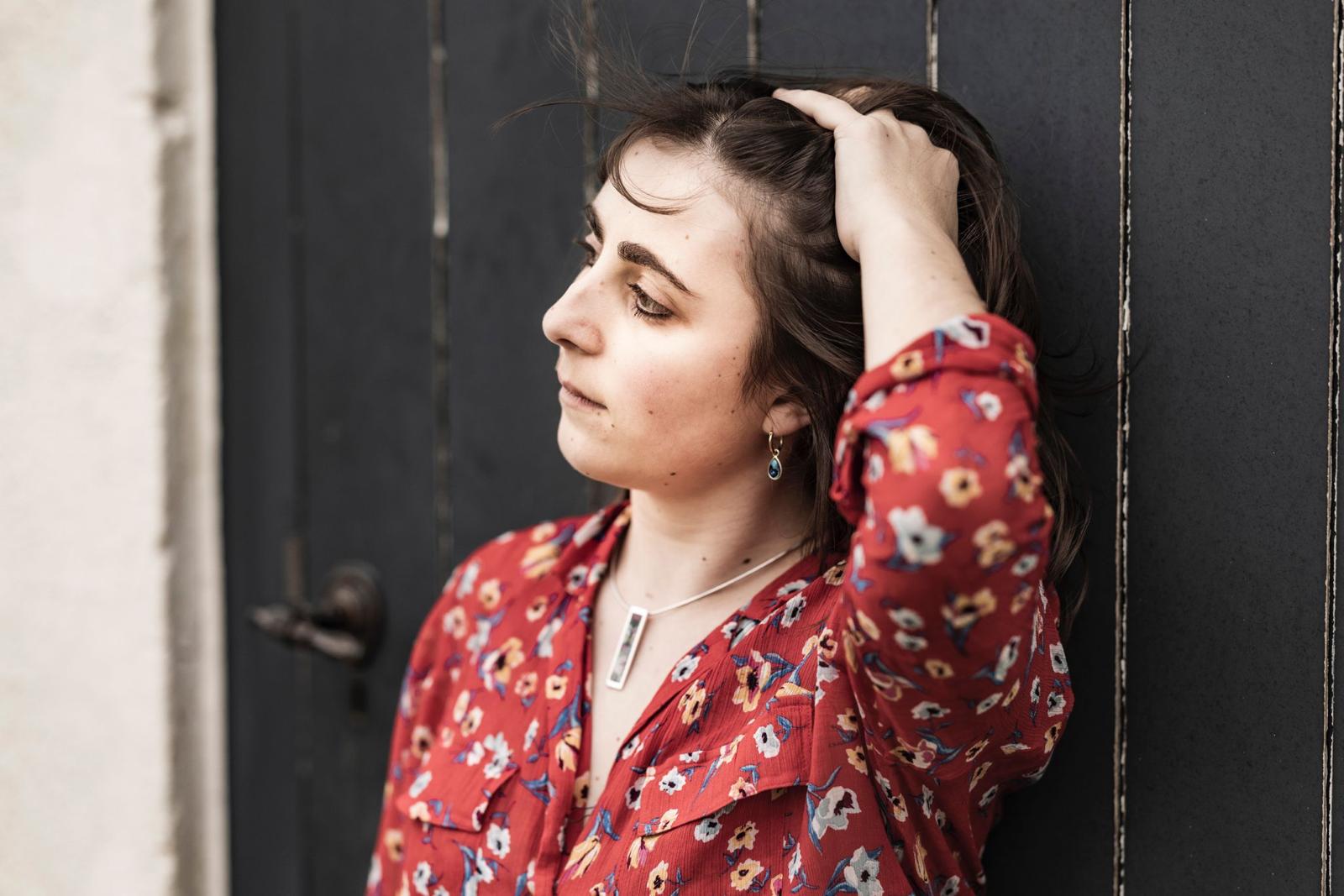
Over time, I have come to understand that periods of fragility and questioning are inevitable in an artistic journey. They bring discomfort, but also moments of deep lucidity. These moments teach humility, patience, and above all the importance of seeking meaning.
Doubt forces us to return to what is essential: the depth of the work, a sincere commitment to the music, and the necessity of remaining in the service of what composers have written, with integrity and humility. Moments of doubt have taught me that fragility can be a true strength.
We live in a society that values performance, speed, efficiency, and the image of the unshakeable leader, where everything seems required to seduce and convince within seconds. The massive circulation of music and images on social media further reinforces this demand for immediacy, spectacle, and demonstrativeness.
Yet music, and particularly the work of interpretation, seems to me to stand in complete opposition to this logic. It requires time, silence, sometimes slowness, and an inner availability that accepts doubt and incompletion. It implies entering a depth that cannot reveal itself instantly. Accepting fragility means accepting not having full control, allowing the music to pass through us, to move us, to transform us. This realisation continues to profoundly shape my way of being a musician. It has taught me to resist a certain pressure of performance in order to remain faithful to a search for truth, presence, and meaning – values I deeply wish to defend today.
Ultimately, these moments have strengthened my conviction that the privilege of living from one’s passion implies a responsibility: to remain in motion, never to fix one’s vision, and to continue searching.
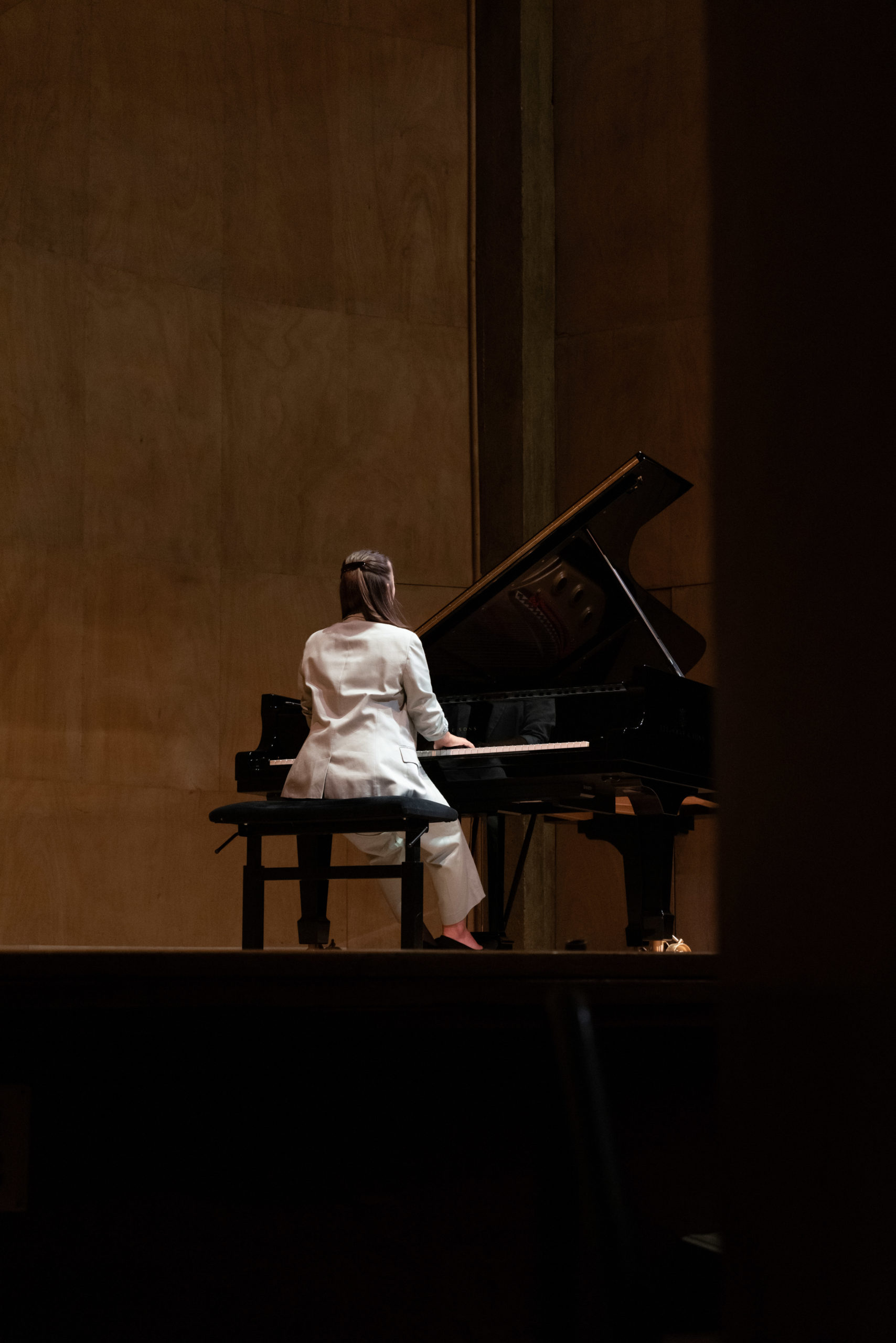
I deeply believe that artists are guided by an almost irrepressible instinct, an inner necessity that compels them to continually bring the world back to art, regardless of external upheavals. This idea, so powerfully expressed by Berlioz, resonates strongly with me: the idea of an art that endures, that resists, that continues to generate meaning and beauty even when everything seems to collapse.
« When everything cracks and blazes, if artists continue to create, if they remain steadfast amid the general upheaval, it is because an irresistible instinct supports, guides, and almost fatally compels them to relate all their thoughts to art – like wild bees, briefly alarmed by the burning vapours that darken the horizon, yet always returning, laden with precious nectar gathered from flowers, to the hive raised within a forest consumed by fire. Thus, art is immortal. » Berlioz
The coming months promise to be rich and stimulating. On the recital side, I am very much looking forward to several upcoming concerts, notably as part of Les Pianissimes on 15 March at Salle Cortot, as well as performances in Lyon next season, and in Asnières-sur-Seine, Lacanau, Musique en Albret and the Grésivaudan, not to mention other dates next autumn that I await with great enthusiasm, particularly at the Lisztomanias Festival. Other important engagements ahead also bring me great joy, including a return for a second consecutive year to the Rencontres Musicales de La Baule, as well as appearances at the Musicales du Luberon, Musique en Bas-Armagnac, and other festivals.
Chamber music also holds a very important place in my upcoming projects, with several concerts planned where I will have the pleasure of sharing the stage with colleagues of my generation. Among them is Elise Bertrand, with whom I share a strong artistic and personal connection; I recently performed in a piano quartet with Pierre-Pascal Jean and Léo Ispir, and I also look forward to further collaborations with Iris Scialom and Lorraine Campet, whom I will soon have the pleasure of meeting and performing with. I will also have the immense joy and privilege of performing with renowned artists such as François Salque, Pierre Fouchenneret, and Lise Berthaud, whose experience and artistic vision are an invaluable source of inspiration.
Finally, a recording project is currently in preparation. I would prefer to keep some mystery around it for the moment, but it is a very personal project that fully reflects and continues the direction of my current artistic journey.