
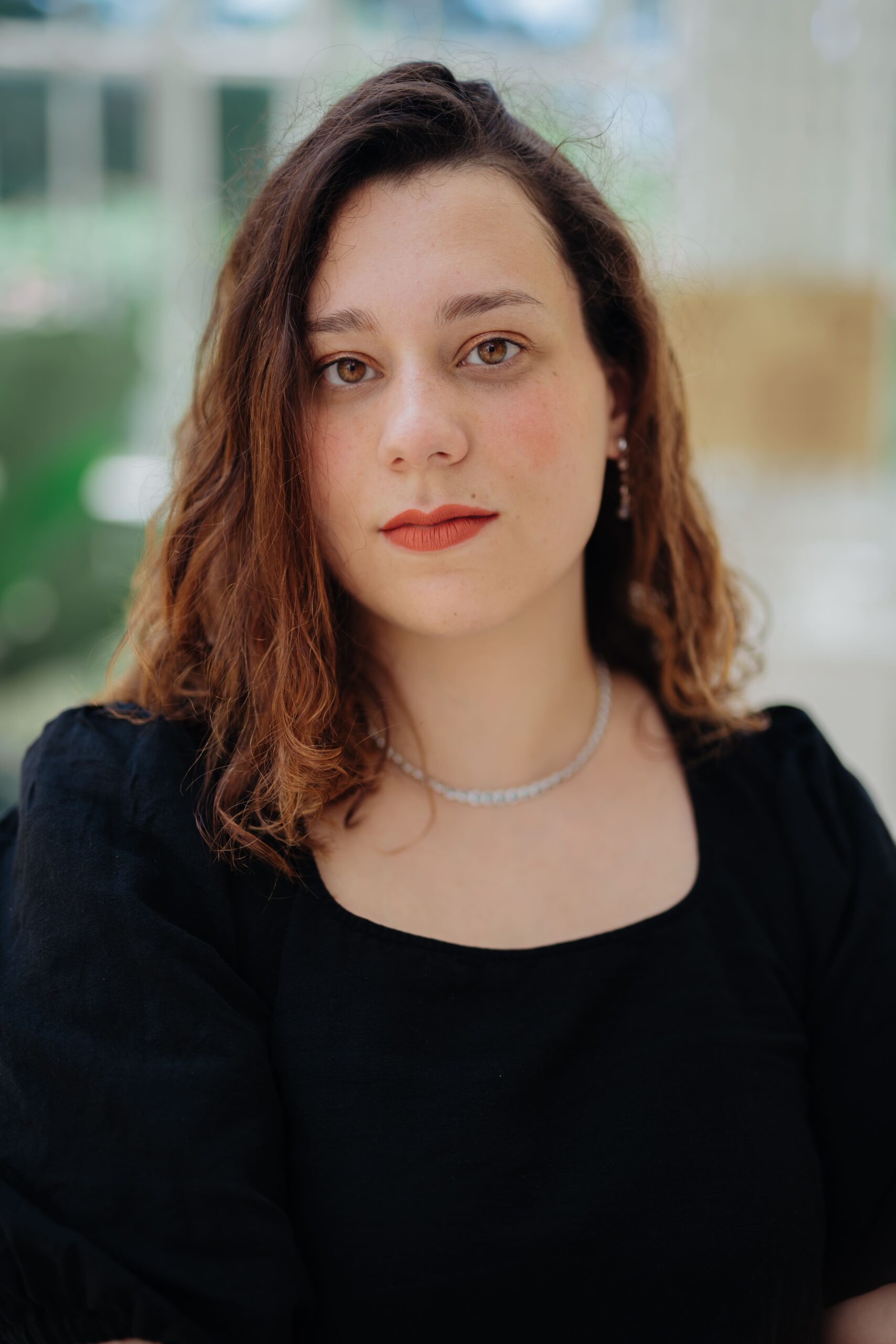
Juliette Gauthier
Since January, you’ve been touring with Ensemble Les Surprises in Dido and Aeneas, staged by Pierre Lebon, from Clermont-Ferrand to Málaga by way of Montpellier and Bordeaux. What does this tour bring you, as it resumes in December?
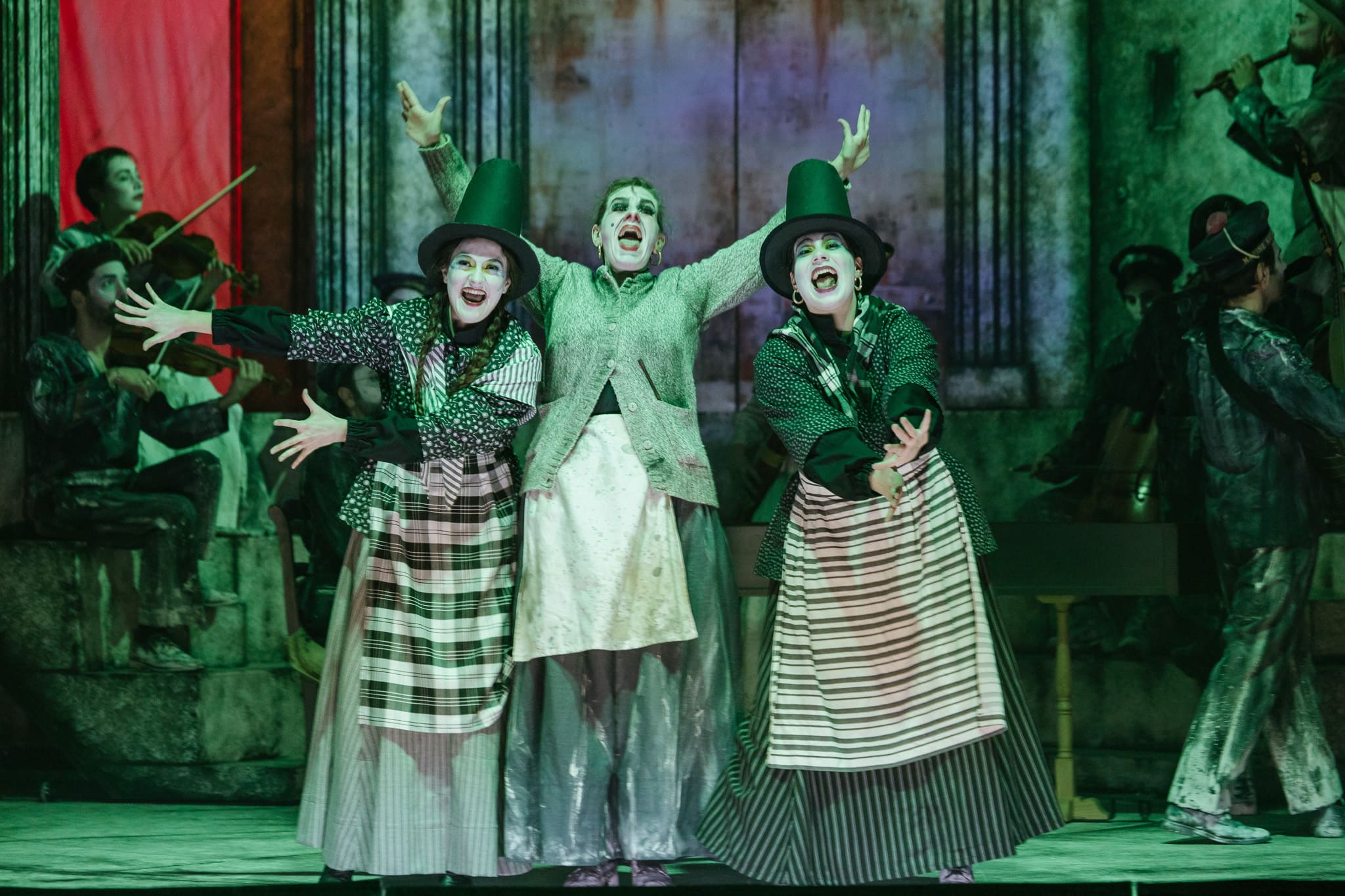
The Dido and Aeneas adventure with Les Surprises brings together everything I dream of in my profession: the highest artistic standards in the service of a total theatre experience, carried by a true company. It’s a production where all the arts blend with no boundaries at all: instrumentalists, singers, dancers, actors and stage crew are all on stage. We dance, we act, we sing, we move the sets and we declaim together.
For this production, I had to approach the stage as a “singer-actress”, where acting is just as fundamental as singing. It’s fascinating to take on roles that serve the story through their theatrical commitment, where the voice is only one tool among many. Working this way, within such a caring collective, is a real source of joy, and I’m already looking forward to the next dates!
You’ve already sung Dido and Aeneas at the Théâtre des Champs-Élysées with Ensemble Diderot, then in concert in Thiré with Thomas Dunford. How does your relationship with the work change each time you return to it?
What’s fascinating about Dido and Aeneas is that, being such a short work, it’s rarely performed on its own: there’s often a prologue or interpolated pieces, which allow you to approach the story from a different angle every time.
The first time I performed it was with Arcal and Ensemble Diderot. The story was enriched by a prologue that fleshed out the relationship between Dido and Aeneas, making the tragedy of their separation all the more poignant.
In Thiré, with Thomas Dunford, was the only time I’ve performed Dido and Aeneas in its raw form, with nothing added. This much more intimate approach allowed me to understand the story as closely as possible to what Purcell describes, with all its silences and narrative gaps.
Finally, Pierre Lebon’s vision with Les Surprises is extraordinarily alive. The drama becomes a truly immersive show in which the audience is drawn into the heart of the action, as if they were part of the characters’ entourage. Rather than centring the drama on Dido and Aeneas, he zooms out and gives every character their own narrative arc.
With each new production, I feel I’m getting a little closer to the heart of the work. It’s a fundamentally living piece, constantly renewing itself and giving every director the chance to share their own understanding of it.
Anna is an artist of incredible generosity and insight. Every piece of advice she gave had an immediate effect, whether technically, musically or in embodying the character.
In February, you’ll make your debut at the Teatro Carlo Felice in Genoa as Zulma in L’Italiana in Algeri. How are you approaching this debut, and this move from Purcell to Rossini?
A little anecdote, by the way: Anna Bonitatibus made her own debut in this very role in Genoa!
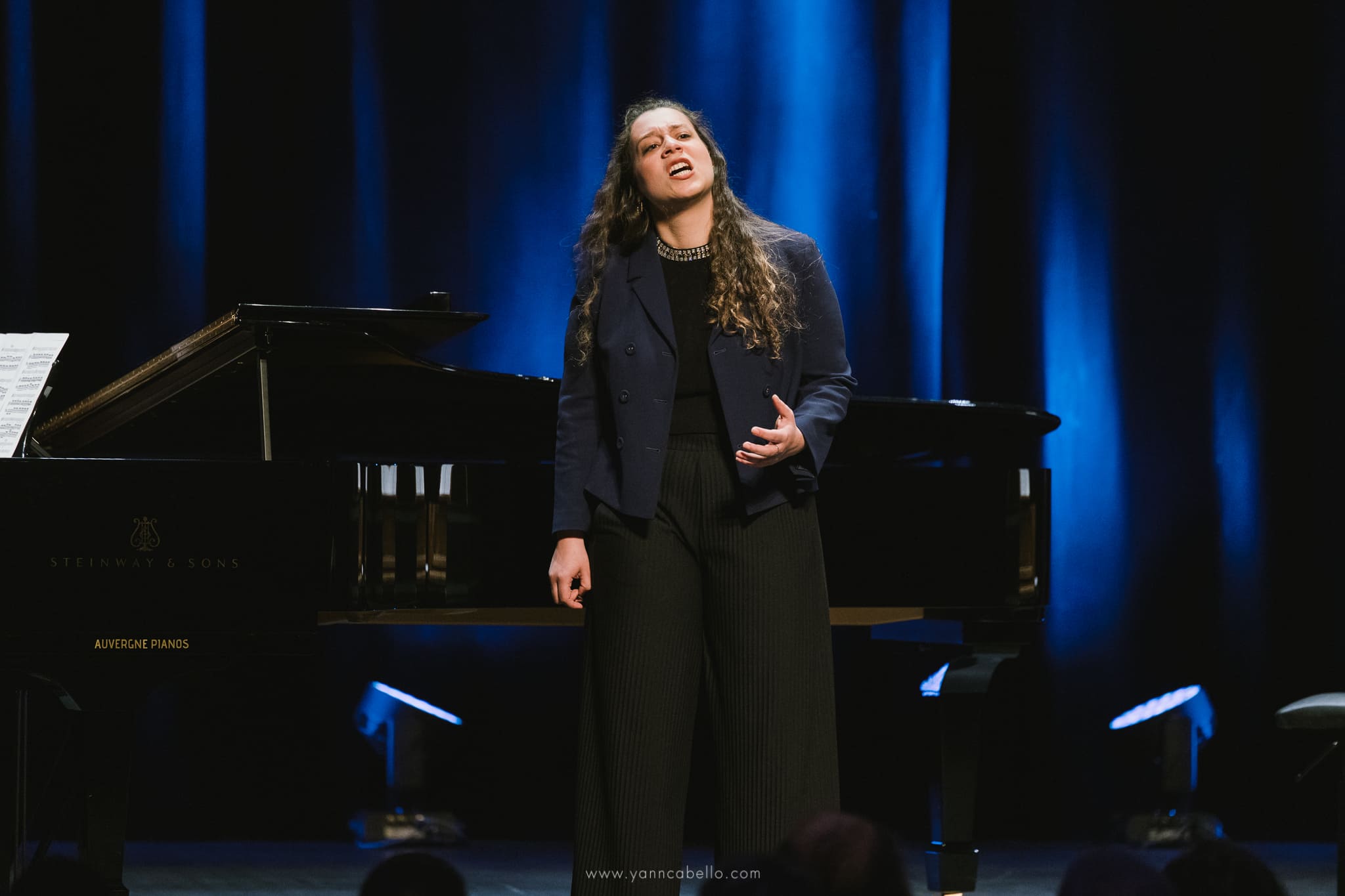
Abroad, they’re also a wonderful window onto the world: you get to see what’s being done elsewhere, hear new voices, other ways of singing and acting. And you often make beautiful connections, both artistic and personal, which keep enriching my journey.
I see competitions as springboards to be seized, without attaching absolute importance to the result. It remains the subjective judgement of a single moment, which in no way defines your worth. For me, what matters most is to enjoy it, as on any stage, and to come away feeling I’ve given the very best of myself.
I’m truly grateful to be able to rely on such a team. Today, for our generation of singers, every opportunity to be supported and showcased is precious. It’s also a wonderful cohort, in which I’ll be reunited with several colleagues and meet new ones, singers and pianists alike. I can’t wait to spend these two years working alongside them.
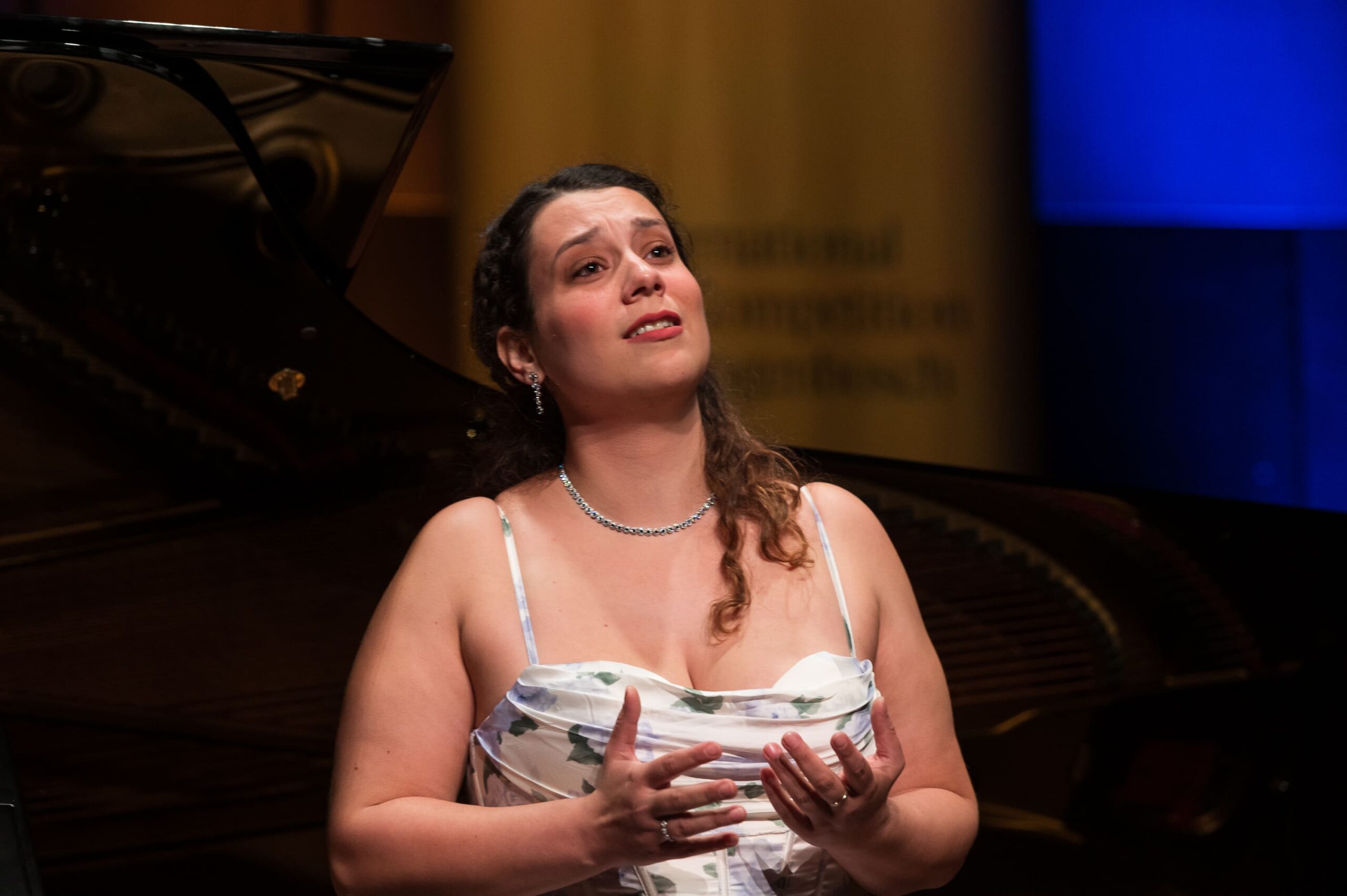
Today, I’m still finding these links between my sporting practice and my vocal practice, experimenting with what does my body good and prepares it for each role.
I’m all the more aware now that the voice and the body are one, and must be built over time. You mustn’t rush things or ask too much of it, but learn to move forward and build your career in harmony with it.
It’s also our role to pass things on, and audience engagement is at the heart of my practice, to introduce our art to the audiences of tomorrow.
And it’s all of this that makes an artist, in the noblest sense of the word.
I’ll be making my debut in Genoa as Zulma (L’Italiana in Algeri), and we’re continuing the Dido and Aeneas tour with Les Surprises.
It’s also the start of two wonderful adventures: I’m joining the Studio Baroque at the CMBV (Centre de musique baroque de Versailles) and the new Génération Opéra cohort, with concerts to come.
And then there’s the revival of Almudena: The Roaring Twenties in Spain, a project created with guitarist Guadalupe Martín Pino and staged by Barthélémy Fortier, which is joining the programme of the Jeunesses Musicales de France (JMF). It’s a great joy to see this show keep growing and reaching new audiences!